

If you have ever tried to “train your brain” with a flashy app and felt zero difference afterward, you are not alone. A lot of brain training advice is either too vague (“be more mindful”) or too gimmicky (“tap the squares faster to become a genius”). Meanwhile, real cognitive improvement tends to come from a simpler place: training the skills that matter most in daily life, using methods your brain actually responds to.
Cognition is not one thing. It is attention, memory, processing speed, self-control, emotional regulation, and the ability to stay steady under pressure. The best training techniques strengthen these foundations in ways that transfer into work, school, relationships, and health. In other words, you do not want to get better at a game, you want to get better at your life.
Below are cognitive training techniques that are both practical and powerful. They do not require perfection, they require repetition. And if you enjoy tools that make training more interactive, modern neurofeedback-style devices, including options like the Muse headband, can add real-time cues that help lock in the core skill: noticing your state and returning to focus.
Train Attention Like It Is The Main Event
Attention is the gateway skill. If your attention is unstable, memory suffers, learning slows down, and decision-making gets messy. Training attention does not mean forcing concentration with a clenched jaw. It means practicing the ability to hold focus, notice drift quickly, and return without drama.
Use Focus Sprints
Focus sprints are short, structured work blocks that build mental stamina without burning you out. The format is simple:
- Choose one task with a clear finish line.
- Set a timer for 10 to 25 minutes.
- Work on only that task, returning every time your mind wanders.
- Take a 3 to 5 minute break to reset.
These sprints train your “return muscle.” Over time, you will notice less procrastination and more sustained momentum, because attention becomes something you can steer, not something you hope shows up.
Practice Single-Tasking With A Tiny Rule
Try a rule that is almost laughably simple: one tab at a time. When you work, keep only what you need open. Every extra tab is a tiny invitation to drift.
This sounds small, but it trains cognitive discipline the way a clean gym trains better workouts. Your environment becomes a partner in focus instead of a distraction buffet.
Make Memory Training Practical And Sticky
Memory improves when learning is spaced, meaningful, and connected to action. The best techniques are not mysterious, they are repeatable.
Use Spaced Repetition
Spaced repetition is simple: review information right before you are about to forget it. This strengthens recall without cramming. It works brilliantly for languages, certifications, medical terms, and anything else with lots of details.
If you want a low-tech version, keep a note card system: new cards daily, review piles at increasing intervals. Your brain loves this because it turns learning into a rhythm.
Teach It To Remember It
One of the fastest memory boosters is explaining what you learned in your own words. Imagine you are teaching a friend who missed class. If you can explain it clearly, your brain has encoded it more deeply.
A quick method is the “two-minute teach-back.” After you read a chapter or watch a lecture, talk through the main points out loud for two minutes. It is surprisingly effective, and yes, you may sound like you are hosting a tiny podcast to yourself.
Strengthen Working Memory With Real-World Loads
Working memory is the mental notepad you use to hold information temporarily, like remembering a phone number long enough to dial it, or keeping track of steps in a process. Improving it is less about games and more about learning to manage cognitive load.
Chunk Information On Purpose
Chunking means grouping information into meaningful units. Instead of trying to hold ten separate details, you hold two or three chunks. This is how experts think: not by having bigger brains, but by organizing information more efficiently.
Try chunking in everyday life: grocery lists grouped by aisle, tasks grouped by category, learning notes grouped by themes. You will feel the difference quickly.
Externalize What You Can
High performers do not rely on memory for everything. They externalize. They use checklists, calendars, and systems. This is not weakness, it is smart cognitive design. When you reduce mental clutter, your working memory becomes available for creativity and problem-solving.
Consider a “capture habit”: any time you think of something important, write it down immediately. Your brain stops clinging to it, and your attention relaxes.
Build Emotional Regulation For Better Cognition
Emotional regulation is cognitive training. When emotions spike, focus drops and impulse rises. When you can steady your nervous system, cognition becomes sharper and more reliable.
Train The Long Exhale
A longer exhale is one of the fastest ways to shift your state. Try a comfortable 4-second inhale and a 6-second exhale for two minutes. You are not forcing calm, you are giving your system a signal of steadiness.
Do this before an important task and you may notice your mind feels clearer, like someone cleaned the windshield.
Use The Name-It Shift
When you label your state, you create space. “I am anxious.” “I am frustrated.” “I am overstimulated.” This is not dramatic, it is strategic. The moment you name a state, it becomes something you can work with.
Then ask: “What would help right now?” Often the answer is small: water, movement, a slower breath, or a single next step.
Neurofeedback-Style Training That Accelerates Progress
Here is where cognitive training becomes especially exciting. Attention and self-regulation are trainable skills, and feedback can make training more efficient and more engaging. When you receive real-time cues that reflect your state, you build a strong “notice and return” reflex, and that reflex supports focus, learning, and decision-making.
Why Real-Time Cues Work
Many people lose focus without noticing. Ten minutes later they realize they drifted, and the opportunity to correct was long gone. Real-time cues shrink that gap. They give you a prompt right when drift happens, which turns attention training into clear repetitions.
Those repetitions matter because the brain learns through immediate correction. It is the same reason a coach, a mirror, or a metronome improves performance in sports and music.
How People Use A Headband In Practice
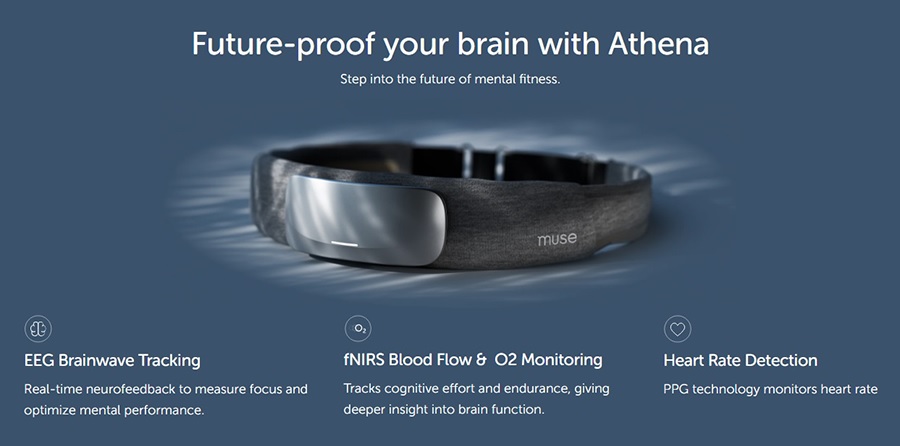
One popular approach is combining mindfulness with feedback cues. You pick an anchor, usually the breath, and the cues remind you to return when attention wanders. Over time, you become faster at noticing drift even without cues. Many users train this way with devices like the Muse headband, which provides guided sessions and real-time feedback designed to strengthen focus and calm.
Importantly, this style of practice makes cognitive training feel less like forcing and more like learning. You are building a reliable skill, not trying to win a battle against your mind.