
Getting genetic results can feel like being handed a huge toolbox without an instruction sheet. You know there are useful tools inside, but you are not sure which one to grab first. Some people go all-in and try to change everything at once. Others get overwhelmed, close the report, and never look at it again.
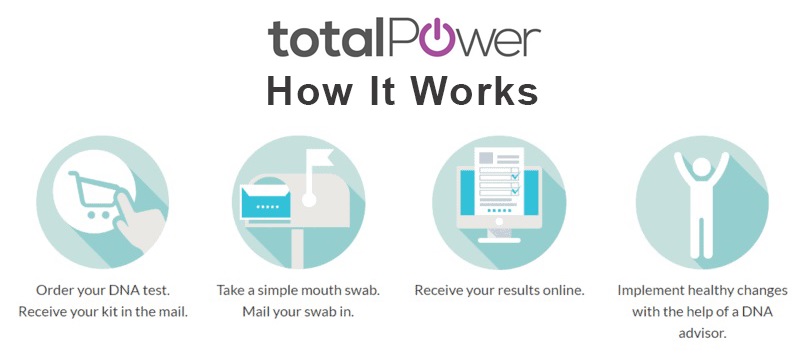
The sweet spot is in the middle: use your genetics as a guide, pick a few high-impact moves, and give them enough time to work. That is the promise behind the totalPower DNA Test Kit from dnaPower. The kit analyzes 250+ genetic variations related to health, nutrition, fitness, and brain health, and includes a 45-minute report review with a DNA-certified consultant. The goal is not to label you, it is to help you make smarter, more personalized decisions.
Why Genetics Become Useful Only When They Lead To Decisions
Knowing your genetic tendencies is interesting. Using them to guide behavior is where the value shows up. totalPower is designed around the idea that people want health improvements that are realistic, measurable, and connected to daily life.
Genes Set Tendencies, Habits Shape Outcomes
Most wellness-focused DNA tests report predispositions, not guarantees. A tendency might mean you respond better to one style of eating, recover faster from certain training, or have a stronger stress response. None of that is fate. It is information you can use to choose strategies that fit you better.
Put another way: genetics can explain why a generic plan felt like pushing a shopping cart with one wobbly wheel. You can still get to the parking lot, but it is harder than it needs to be.
Action Beats Perfect Understanding
You do not need a graduate degree to benefit from genetic insights. You need a plan that translates results into a few clear steps, plus a way to track whether those steps are helping. totalPower aims to deliver that translation through structured categories and practical guidance.
How totalPower Organizes Insights Into Action-Friendly Categories
One reason people get stuck with genetic reports is that the information is scattered. totalPower is designed to group insights into health themes that match common goals. Many users care about some combination of weight management, energy, athletic performance, stress resilience, and long-term brain health.
Nutrition And Weight Response
Food is not one-size-fits-all. Two people can eat the same meals and have very different outcomes in energy, cravings, and weight. A nutrition-focused set of insights can help you choose the eating pattern that your body is more likely to handle well, including how you tend to process carbohydrates and fats, and how you may respond to certain dietary approaches.
Fitness, Recovery, And Training Style
Some bodies love high-intensity bursts. Others do better with steady endurance, strength training with ample recovery, or a mix. When training matches your recovery style, you are more likely to stay consistent, avoid injuries, and actually enjoy the process. Genetic insights can support smarter choices around workout intensity, recovery habits, and long-term consistency.
Core Health Systems
Long-term wellness is built on foundational systems like inflammation balance, oxidative stress protection, detoxification pathways, and hormone regulation. These systems are not “extra credit,” they influence how you feel day to day and how your risks shift over time. A report that highlights tendencies here can help you focus on upstream habits that support many areas at once.
Brain Health And Mental Wellness Inputs
If you care about brain health, you already know that memory and mood do not exist in a vacuum. Sleep quality, stress physiology, cardiovascular health, metabolic stability, and inflammation all influence cognitive performance and long-term resilience. totalPower’s brain and mental wellness-related insights are meant to give you a clearer picture of where supportive habits may matter most.

Turning Results Into A Simple, Realistic Action Plan
The best way to use a genetic report is to treat it like a “choose your priorities” menu, not an emergency checklist. Here is a practical process you can use after you receive your totalPower results.
Step 1: Pick Two Outcomes You Actually Want
Start with outcomes, not genes. Examples might be:
- More stable energy and fewer afternoon crashes
- Better sleep quality and calmer stress response
- Improved workout recovery and fewer aches
- Healthier blood sugar, lipids, or weight trends
- Better focus and steadier mood
Why this matters: if you begin with gene names, you can get lost. If you begin with outcomes, your choices become obvious.
Step 2: Match Your Outcomes To The Most Relevant Results
Next, connect your outcomes to the report categories. If your outcome is brain health and stress resilience, prioritize insights related to stress response, sleep support, metabolic stability, and cardiovascular factors. If your outcome is fitness performance, prioritize training style and recovery insights.
This is also where the consultant review can be helpful. It can keep you from chasing low-priority details and help you identify your best “first moves.”
Step 3: Choose One Change Per Outcome
One change per outcome is enough. A plan that is too complicated is a plan that will not happen. Here are examples of changes that are realistic and measurable:
- For sleep and stress: set a consistent sleep and wake window, reduce late-night screen exposure, add a 10-minute wind-down routine.
- For energy and blood sugar: build breakfasts with protein and fiber, reduce added sugar, add a short walk after meals.
- For workout recovery: keep high-intensity sessions limited, add strength training with rest days, prioritize hydration and protein.
- For brain-supportive habits: combine movement, social connection, stress management, and nutrition that supports vascular and metabolic health.
Notice what is missing: a 47-step morning routine and a suitcase full of supplements. Keep it simple first.
How The 45-Minute Consultant Review Helps You Avoid Common Mistakes
Many people do not need more information, they need better prioritization. The included 45-minute report review can add value by helping you interpret results responsibly and build a plan you will actually use.
Mistake 1: Treating Predisposition Like A Diagnosis
A predisposition is a nudge, not a stamp. A consultant can reinforce that mindset and help you understand which findings suggest “worth supporting” versus “worth medically evaluating.” If symptoms or lab results matter, your healthcare provider is the right next step.
Mistake 2: Changing Everything At Once
Trying to overhaul diet, exercise, sleep, and supplements in a single week usually ends with frustration. A consultant can help you choose a small number of high-impact changes, which is far more likely to produce real progress.
Mistake 3: Ignoring Tracking And Feedback
Without tracking, it is hard to know whether changes are working. The review is a good time to decide what you will measure. Depending on your goals, that might include sleep quality, energy, mood, focus, workout recovery, or lab markers your clinician recommends.
Brain Health-Friendly Ways To Use Genetic Insights
If your main focus is brain health, treat the report as a guide for strengthening the fundamentals. The brain is an energy-hungry organ that depends on steady fuel, good circulation, and a nervous system that is not stuck in high alert all day.
Build A “Four Pillar” Support Plan
- Sleep: consistent timing, adequate duration, and a calm wind-down routine.
- Stress Regulation: breathwork, meditation, time outdoors, and healthy boundaries.
- Movement: a mix of strength and aerobic activity that you can sustain.
- Metabolic And Vascular Support: nutrition that supports stable blood sugar and cardiovascular health.
Genetic insights can help you decide which pillar deserves extra attention first. If stress response looks like a key factor, you might start with sleep and stress routines before you try an aggressive training plan or strict diet.
What totalPower Can And Cannot Do
It is worth stating clearly: a wellness-focused DNA test is not a crystal ball and not a medical diagnosis. totalPower is best used as a planning tool, one that helps you choose strategies that fit your biology and reduces trial-and-error.
What It Can Do
- Highlight tendencies related to nutrition, fitness response, and core wellness systems
- Support better personalization of habits that influence brain health and overall health
- Help you prioritize changes that are more likely to pay off
What It Cannot Do
- Diagnose medical conditions
- Replace lab testing, clinical evaluation, or medical guidance
- Guarantee outcomes, because lifestyle and environment still matter
When used with the right expectations, genetics can be a powerful “steering wheel” for your lifestyle choices.