

Have you ever made a decision that felt completely reasonable in the moment, only to question it later with a mix of confusion and regret? Maybe you sent an email too quickly, agreed to something you did not want, or avoided a choice that ended up costing you time and energy.
These moments are not random. They are often the result of making decisions without realizing what state your brain and body were in at the time. When you learn to recognize your brain’s signals, stress levels, attention patterns, and emotional shifts, decision-making becomes clearer, calmer, and far more consistent. Instead of reacting automatically, you gain the ability to choose deliberately.
This is where modern brain awareness tools and training methods are changing the game. By making mental states visible and understandable, people are discovering that better decisions are not about willpower, they are about timing, awareness, and state control.
Why Decisions Are So State-Dependent
We like to think decisions are logical and rational. In reality, most choices are heavily influenced by what is happening beneath the surface. Your brain is constantly balancing energy, safety, motivation, and focus, and it adjusts your behavior accordingly.
Your Brain Optimizes For Speed First
The human brain evolved to make fast decisions under pressure. That ability keeps you safe, but it also means your brain prefers shortcuts. When things feel urgent or emotionally charged, it prioritizes speed over nuance.
This is why rushed decisions often feel satisfying in the moment and disappointing later. Speed feels productive, but clarity usually arrives when the nervous system is steadier.
Stress Quietly Shapes Your Choices
Stress does not announce itself politely. It subtly narrows attention, increases emotional reactivity, and pushes the brain toward immediate relief. Under stress, you are more likely to avoid difficult conversations, overspend, procrastinate, or choose familiarity over growth.
Understanding this dynamic is empowering. When you realize that stress is influencing your thinking, you can shift your state before locking in a decision.
Fatigue Alters Judgment More Than You Realize
Mental fatigue often masquerades as logic. You might think, “This is the sensible option,” when in reality your brain is conserving energy. Learning to recognize fatigue-related signals helps you avoid making important decisions when your cognitive resources are low.
The Brain Signals That Improve Clarity
Better decisions start with better awareness. Fortunately, the signals that matter most are surprisingly consistent and learnable.
Physiological Signals: Your Internal Readout
Your body provides constant feedback about your mental state. Signals that often influence decisions include:
- Breathing becoming shallow or irregular
- Tension in the jaw, neck, or shoulders
- Restlessness or difficulty sitting still
- A sense of internal pressure or urgency
When these signals are present, your brain is usually operating in a more reactive mode. Recognizing this early allows you to pause and reset before choosing.
Attention Signals: Where Focus Drifts
Attention patterns are one of the clearest indicators of decision quality. Signs that attention is compromised include looping thoughts, constant checking, or jumping between options without resolution.
When attention stabilizes, decisions tend to align more closely with long-term goals rather than short-term relief.
Emotional Signals: Information, Not Obstacles
Emotions provide valuable data. Anxiety often highlights uncertainty. Frustration can signal unmet needs. Excitement points toward motivation. When you acknowledge emotions without letting them dominate, they become guides rather than drivers.
How Awareness Transforms Decision-Making
Once you can recognize your internal signals, decision-making shifts from reactive to intentional. This change is subtle but powerful.
Impulse Gives Way To Choice
Impulsive decisions thrive on urgency. Awareness introduces a gap between feeling and action. In that gap, you gain options. Even a brief pause can redirect a decision toward clarity instead of compulsion.
Bias Becomes Easier To Detect
Cognitive biases are strongest when the nervous system is activated. When you recognize signs of heightened stress or emotional charge, you are more likely to question assumptions and consider alternatives.
This is when better questions appear: “Is this truly urgent?” “What would I choose if I felt calm?”
Decisions Align With Values
Values-based decisions require a broader perspective. When your brain is regulated, it can access long-term priorities, personal standards, and relational awareness. Decisions made from this state tend to feel right even when they are challenging.
Training The Skill Of Better Decisions
Decision-making improves with practice, especially when training focuses on state awareness rather than outcome obsession.
The Reset Before The Decision
Before making an important choice, try a brief reset:
- Slow your breathing, extending the exhale
- Release one area of physical tension
- Name your current state (stressed, tired, focused)
- Ask a clarifying question such as, “What matters most here?”
This short process often improves clarity more than extended deliberation.
Learning Through Feedback
Many people accelerate this skill by using feedback tools that make mental states easier to recognize. When brain activity, breathing, or movement patterns are reflected back in real time, awareness strengthens faster.
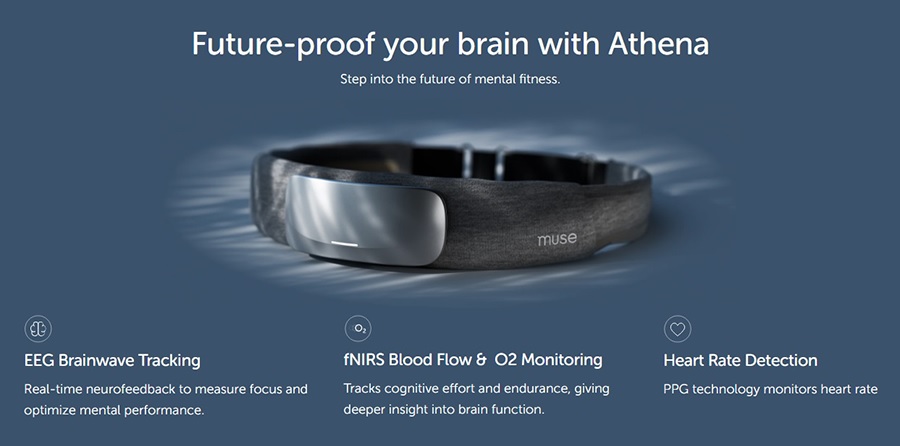
Devices like the Muse headband are commonly used in this context because they help people notice when attention drifts and when calm focus returns. Over time, this feedback trains a reliable internal sense of clarity that carries into everyday decisions.
Applying Signal Awareness In Daily Life
Signal-based decision-making is practical and immediately useful.
Work And Productivity
When you recognize tension or mental overload, you can delay non-urgent decisions, simplify choices, or take a brief reset. This prevents unnecessary mistakes and improves follow-through.
Relationships
Awareness of emotional and physiological signals helps you choose timing and tone more effectively. Conversations become clearer and more constructive when they come from a regulated state.
Health And Habits
When you notice fatigue or stress early, you can choose supportive actions instead of defaulting to avoidance or excess. Small state-aware choices compound into meaningful change.
Decision-Making As A Trainable Skill
Strong decision-making is not about being perfect. It is about recognizing when your brain is ready to choose and when it needs support. By learning your brain’s signals and practicing regulation, you gain access to clearer thinking, steadier confidence, and decisions that reflect who you want to be.
As more people adopt tools and practices that build this awareness, decision-making is becoming less mysterious and more trainable. That shift alone has the power to improve work, relationships, and overall well-being.